Wednesday, 8:20 at night, the shoulder of Route 9 at mile marker 31, hazard lights painting my knuckles orange every 1.2 seconds, and steam curling off a 2016 Nissan Rogue that had decided its water pump was finished with this world. Heat gauge pegged. August pressing its thumb against the back windows. I had a daughter to collect from swim practice at the Y by 9:00, eleven miles between us, and a tow estimate forming in my head like weather, about to be wrong in every direction.
The first tower who answered quoted $285 cash for the eleven-mile ride, payable when the flatbed arrived, and I was two minutes from agreeing when a reckoned arrived late, the way my best figureds do: check the wallet before you pay the man. The math of the moment was simple and ugly — $285 against a night walk of eleven miles in August with a swim bag waiting at the other end. I almost paid. The word almost is doing heroic work in that sentence, and the rest of this story is about what almost saved.
Three kinds of rescue were already living in my wallet, and I was about to pay a fourth party to duplicate the nearest one. A Visa card with a roadside dispatch line. An auto insurance rider I had added in 2022 and forgotten on purpose. And the memory of a motor club membership I had cancelled in January during a fit of budget hygiene, $164 a year, grumbled over and gone. The napkin comparison that came out of this night now lives taped inside a kitchen cabinet. Trucks hiss. Here is the whole sermon.
steam at mile marker 31
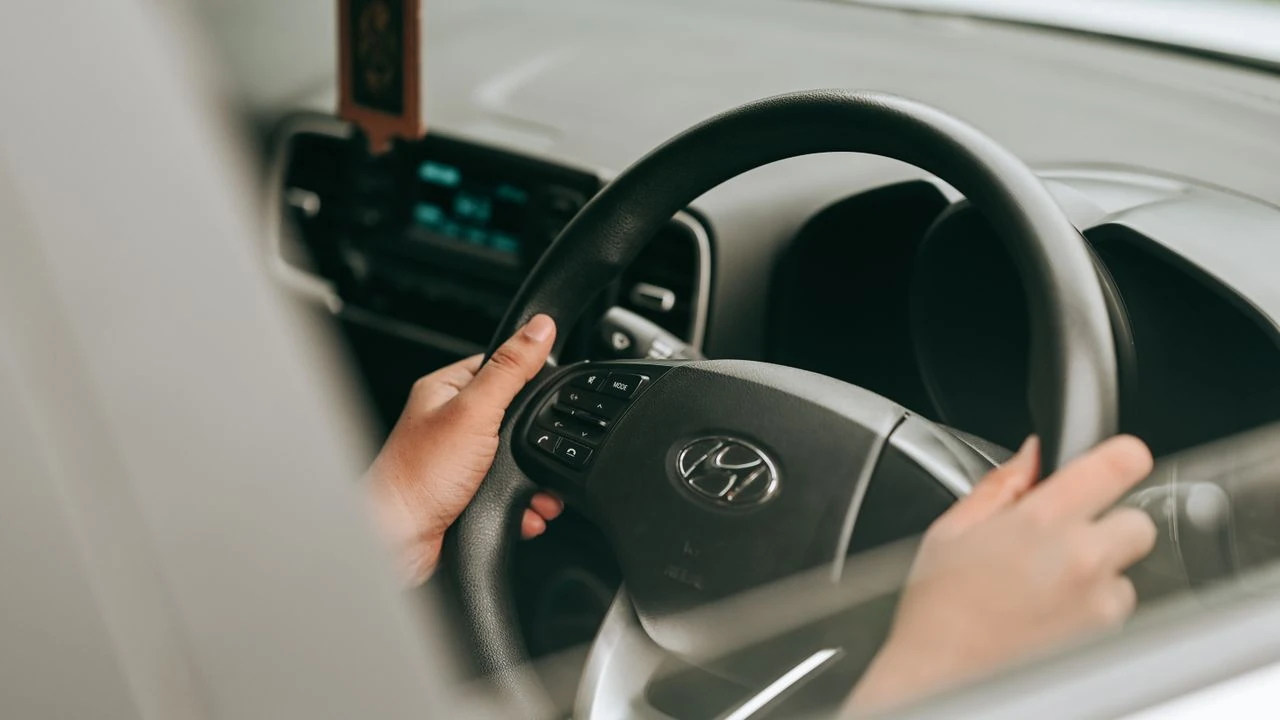
The Rogue gave me forty seconds of warning, which is generous by car standards. The temperature needle climbed from its usual quarter to three-quarters while I passed the feed store, then pinned by the boat storage lot, and the steam came up thru the hood seams like the car exhaling its last opinion. I coasted onto the shoulder, killed the engine, and watched the steam stand up in the headlights like a curtain. Prius drivers stared. I called my daughter first — swim til 8:45, watch the clock, not the door — and then I called a tower off the giant blue sign at the exit, cuz that is what the panic part of the brain recommends.
the $285 voice on the phone
The tower's dispatcher quoted $285, cash or card, for the eleven-mile ride at the after-hours rate, and the driver carries one of those square card readers, which in retrospect was the modern touch that almost closed the sale. He was polite, fast, and available in 25 minutes. Every cell in my tired body voted yeah. It was the availability that almost cost me, cuz 8:38 at night with a swim bag at stake makes $285 sound like bus fare. I said the words every dispatcher loves: yes, send it. Then I said wait. Then I hung up on the second ring of my own better judgment and began opening apps in the dark.
the app that wanted $69
My Visa card advertises roadside dispatch in four-point font on its back, and the app confirmed it in about ninety seconds: a third-party dispatch service, $69 per use charged to the card, tow up to five miles included, then $7 a mile after. Eleven miles, then: $69 plus six extra miles at $7, which is $111. The app promised a driver in 45 to 70 minutes. Better than $285. Not good. I clicked through the screens with my thumb hovering over confirm, and the thumb was right to hover, because one more tab was still unopened: the insurance app, blue icon, last synced in March.
nine minutes on hold
The insurance app's roadside button opened a queue, and the queue had a voice: your estimated wait is nine minutes, your position in line is two. I put the phone on speaker and paced the shoulder counting hazard-light flashes, and at minute nine a human repeated my town back to me, took my policy number and the cross streets, and said the sentence that pays for the whole rider: we can have a truck to you in thirty minutes, no charge, covered up to fifteen miles. Eleven needed. Fifteen covered. The $285 man had been beaten by a rider I had forgotten I owned, for the fourth year running.
the flatbed at 9:15
The flatbed arrived at 9:15, and the driver, a broad quiet man with a thermos, loaded the Rogue in eight minutes flat while I sat in the cab pretending the tow was routine. He took no money. I gave him the unopened iced tea from my console, which he accepted with the gravity of a state gift, and he dropped me at the Y at 9:41 — swim bag collected, daughter retrieved, one apology about the clock delivered and waved off. The Rogue spent the night on the tower's lot and went to an independent shop the next morning: $687 for a water pump, thermostat, and coolant. The shop's financing card offered a soft-check application, and my credit score sat this one out, paid in full from savings.
January's quiet cancellation
Here is the embarrassing exhibit from my own records. In January, during a weekend of cancelling things — a streaming service, a meal kit, a gym — I also cancelled the motor club membership: $164 a year, four tows up to 100 miles each, lockout service, fuel delivery, tire changes. It took ninety seconds. It felt like health. Ten years of membership had paid for exactly two tows I could remember, so the spreadsheet said quit, and spreadsheets do not model August nights on Route 9 with a swim bag at stake. The club would have had a truck to me in forty minutes, unlimited by any radius I will ever drive. I rejoined on the flatbed, from the passenger seat, at a red light.
three tiers on one napkin
The comparison got built the next day on an actual napkin, because I'm my father's daughter. Tier one: the insurance rider, $0 a year, already included, fifteen-mile radius, $100 service cap — perfect for dead batteries, flats, and modest tows, useless for a real breakdown far from home. Tier two: the motor club at $164 a year, four tows up to 100 miles, which covers our lake run at mile 87 with room to spare, plus the lockouts and the fuel. Tier three: the card's dispatch at $69 an use plus $7 a mile after five, no annual fee, the last-resort emergency option, the one you use when the first two fail or lapse. The call order is permanent now. Rider, club, card.
$7 a mile after the first five
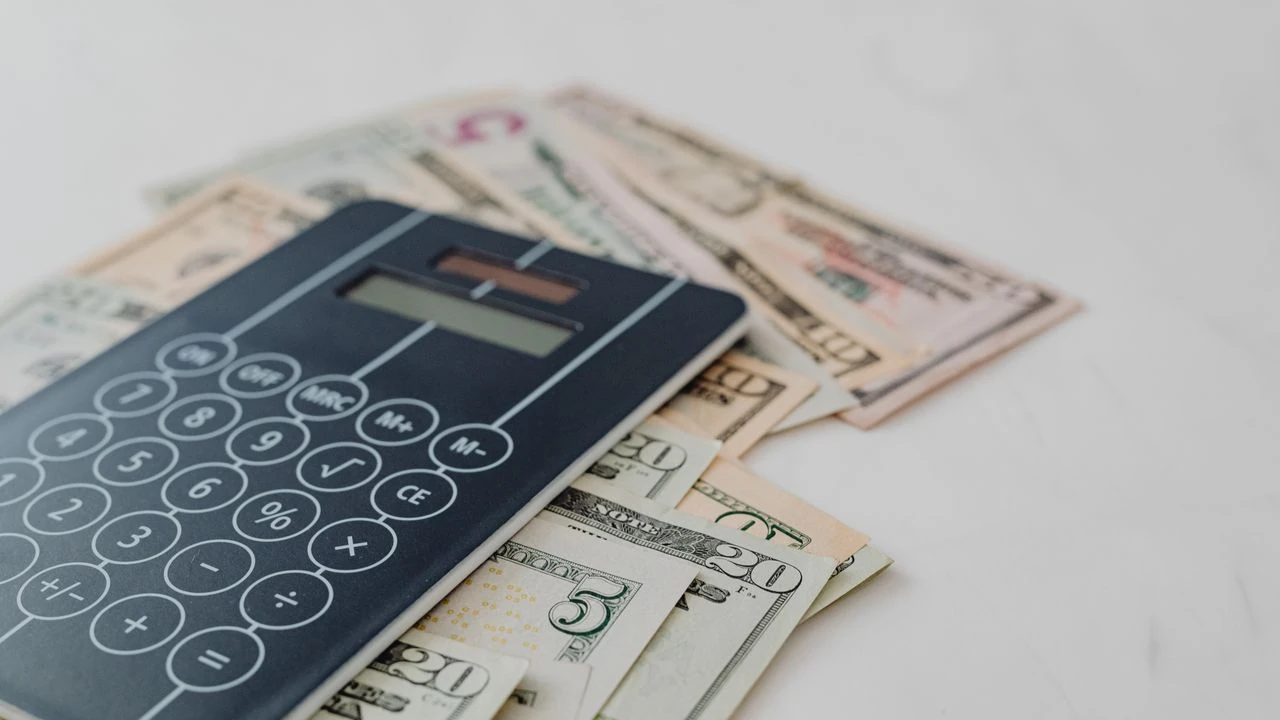
The card's tier deserves its own caution, cuz dispatch pricing is where good wallets go to bleed. Five miles free, then $7 a mile, means the lake house run — 87 miles — would bill $69 plus 82 miles times $7, which is $643 for the privilege of one bad night. The tower's $285 cash quote for eleven miles starts to look almost neighborly next to that, which is exactly how dispatch pricing survives: it only hasta beat the panic number, and panic quotes whatev it is shown. My card stays in the wallet as tier three. Emergencies only. I have now written that on the napkin itself, under the totals, in pen.
what mile marker 31 costs now
Sunday I drove back past mile marker 31 on the way to the lake, Rogue repaired and running cool, daughter eating crackers in the passenger seat with her swim medal riding the dash. I looked at the shoulder where the steam had stood up in the headlights and let the whole night settle into its final invoice: $0 for the tow, $687 for the pump, $164 for a club I swore I would never cancel again, and the $164 that now lives in a high-yield savings account labeled Car Nonsense, compounding at 4.2 percent precisely so August can keep happening. The hazards still paint your knuckles orange if you stand out there long enough. I did not stand there long. I had a membership to use.