Thursday, 1:15 in the afternoon, my kitchen table, the insurance renewal packet open to page 4, a yellow highlighter dying in my fist, and a legal pad beside the orange juice where I had drawn thirty-six little boxes in three neat rows. March, April, May. The packet said my semiannual premium had climbed to $982 from $792, and page 4 carried a two-line footnote containing the words surcharge period, which would eventually cost me three phone calls and one afternoon inside my state's administrative code to translate.
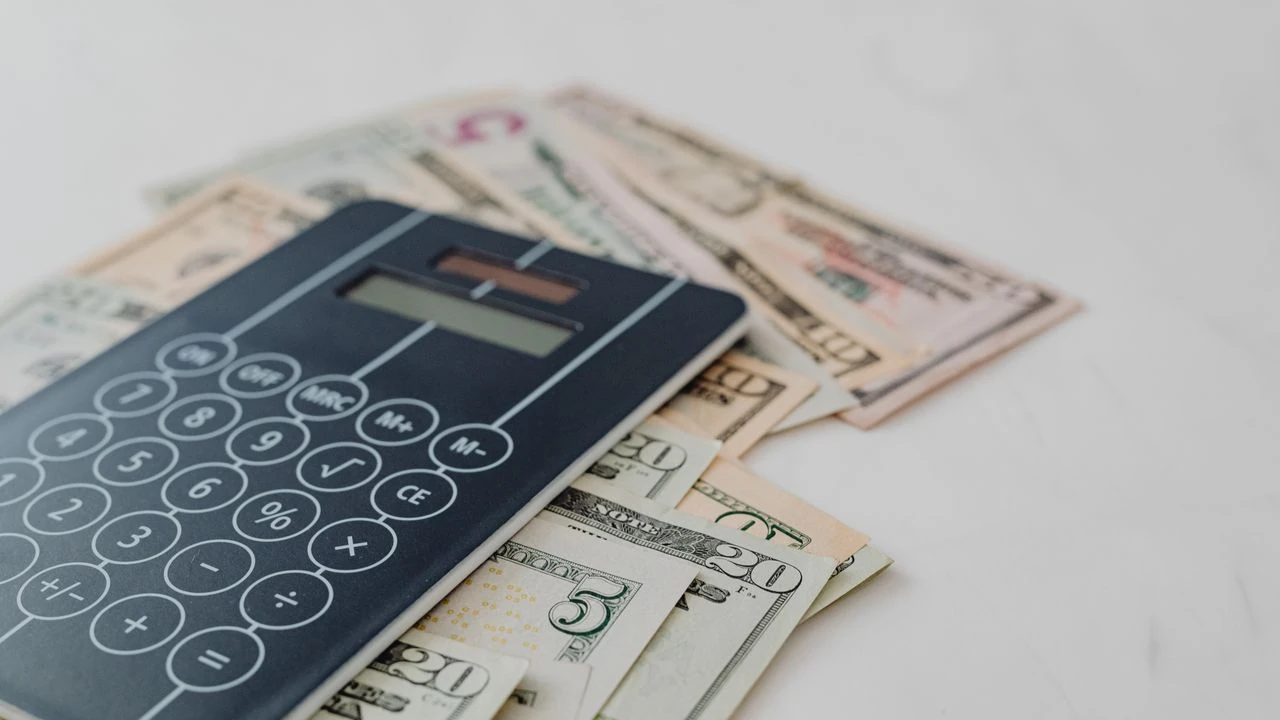
Here is what the boxes were for. The scrape itself — six miles per hour in a hardware store lot, my old Corolla's bumper cover kissing the corner of a lifted F-150 — had cost me $780 out of pocket back in February, paid in cash to keep my own claim off the books. The insurer paid $2,340 to the truck's owner for his bumper cover and a blind-spot sensor recalibration, and an at-fault payout, it turns out, purchases you a surcharge: approximately 20 percent on every bill for 36 months. Twenty percent of my premium, three years running, is $1,140. My late father had a phrase for this. The fine was bigger than the crime.
An exit door existed, though, and nobody at the insurance company was gonna point at it. It lived in the wording of that footnote — 36 months from the date of loss — and in the fact that other insurers do not hafta inherit a competitor's surcharge schedule when you move your business. Finding it took a pencil, two quotes, and thirteen months of patience, which is the part of this story worth keeping.
six miles an hour in a hardware lot
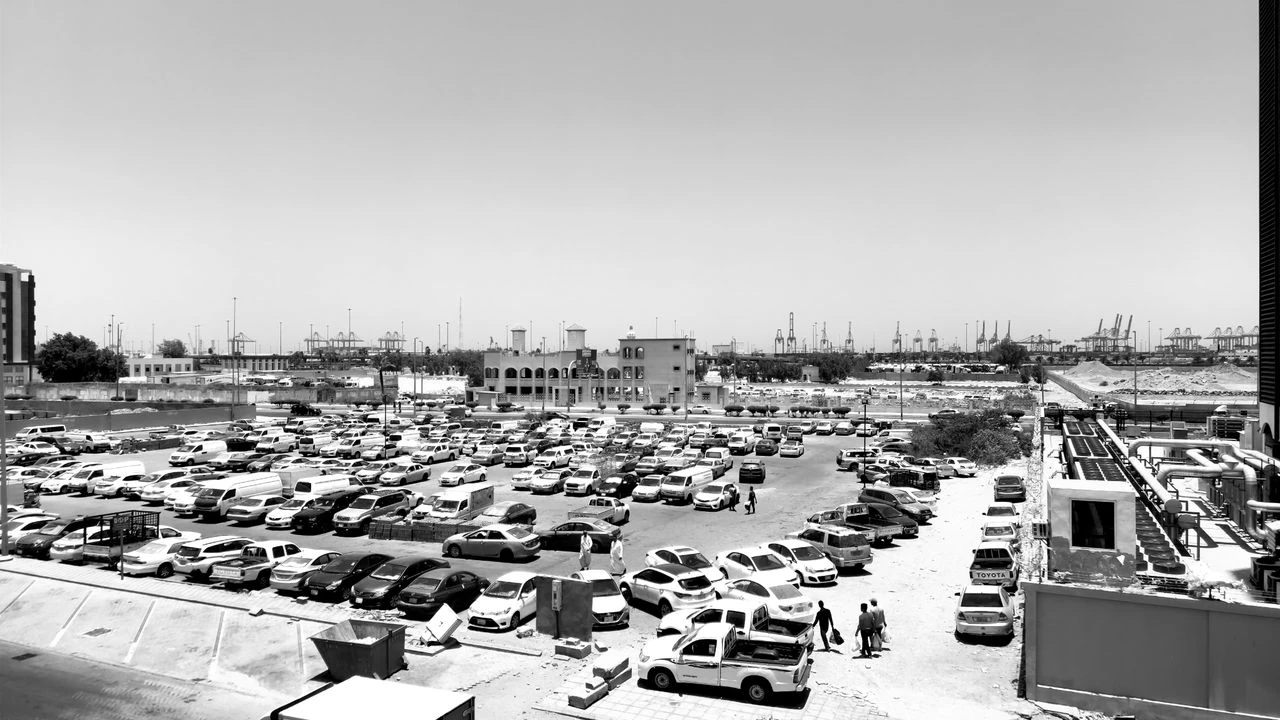
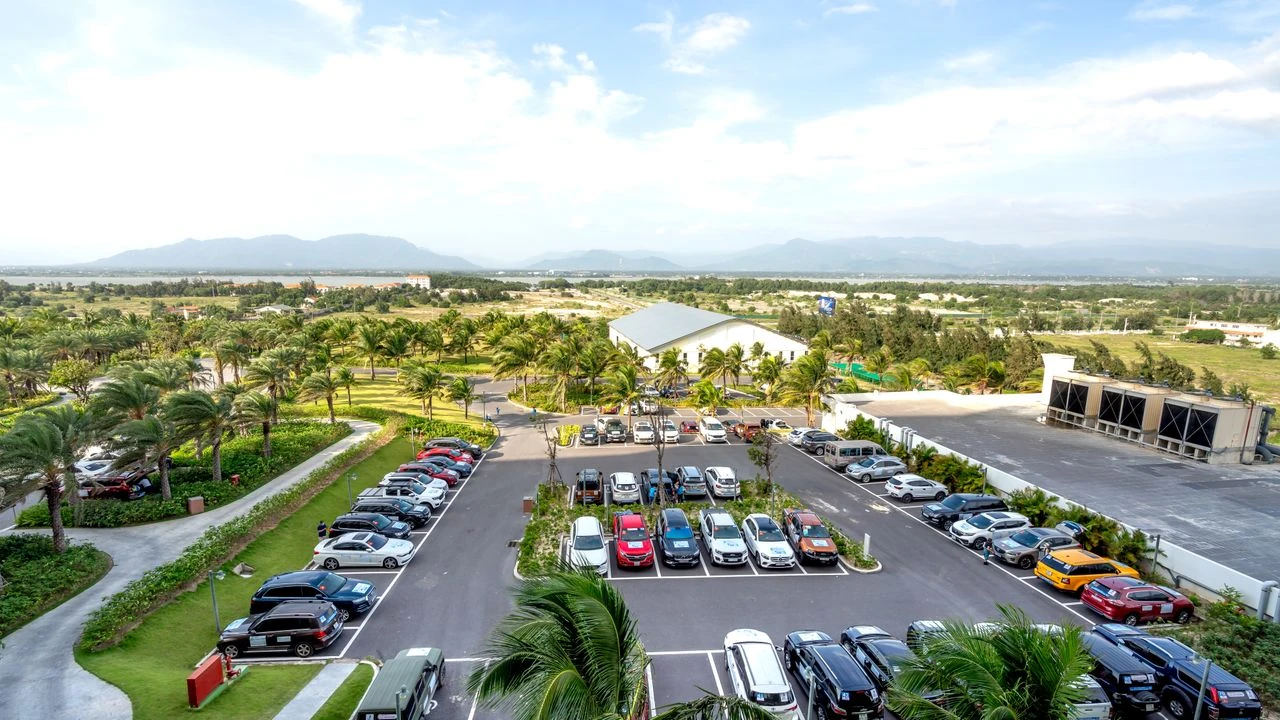
The whole incident occupied less than four seconds of my life. I was backing out of space 14 at the hardware store on a Saturday morning in February, checking my mirror, checking over my shoulder, and a lifted F-150 had crept into my arc behind a stack of mulch pallets where no vehicle had any business idling. Paint and pride. My bumper left a crescent on his corner panel; his trailer hitch left a puncture in mine. Six miles an hour, maybe less. We exchanged information like civilized people and I said something stupid about it being minor, which the estimate office later corrected to $780 for my side.
$2,340 for a plastic cover
The truck's owner, a contractor with a handshake like a vise, got a quote the same week: $2,180 for the bumper cover, plus $160 to recalibrate the blind-spot sensor behind it, cuz a plastic shell on a modern truck is a $2,340 object wearing paint. I paid my own bill, he collected his check, and for five months I heard nothing, which I mistook for the whole story. Five months of quiet. The story was that his payout had entered my file under the at-fault column, date-stamped, waiting for my next renewal like a lien on my future. Renewals, I absorbed, are where insurers do their quiet remembering.
the legal pad boxes
So I sat at the kitchen table with the renewal packet and drew the surcharge out in boxes, one per month, because a phrase like 36 months stays abstract til your pencil makes it concrete. Thirty-two dollars a month, more or less — $380 a year dressed in slight letters — for a scrape my Corolla barely felt. Thirty-six boxes at about $31.67 each, give or take the insurer's rounding, and the total in the last box read $1,140. I stared at it. Then I looked up my state's administrative code, chapter and verse, because legal pads are for questions as well as answers.
the footnote about 36 months
The footnote, translated out of insurance dialect, said the surcharge runs 36 months from the date of loss, which put my last taxed bill in February 2028, two birthdays and a furnace away. But the footnote belonged to my insurer's rate filing, not to the state itself. Other companies price my driving record their own way, and an at-fault claim with a $2,340 payout reads differently depending on who is reading. The surcharge, in other words, was not a law. It was a house rule. Houses can be changed.
two quotes and a pencil
In January I sat with two quote pages and the legal pad and let the pencil decide. My current insurer: $1,964 a year, surcharge included, loyalty discount applied like a bandage on a fracture. Competitor A: $1,786 for the same coverage, pricing the accident on its own table without the surcharge program. Competitor B: $1,614, identical minus a roadside benefit I already owned twice over, with a claims department that answered in four minutes when I tested it. B won. The delta for escaping was $350 a year, and month 13 of 36 was sitting right there in the calendar like an unlocked window.
month 13, the quiet switch
February 3, a Tuesday, I signed the new policy to begin on the 17th, exactly thirteen months after the scrape, and my old insurer's final bill never saw surcharge month 14. The new carrier pulled a credit-based insurance score fed by my credit score — 733, boring and clean — and priced the at-fault claim at their own rate: $1,614 a year, no add-on, cuz their schedule has no surcharge for a six-mile-an-hour scrape they never had to pay for. Same me. Same Corolla. Same hardware store. Different house.
a payment loses $31
The escape funded itself with one more move the same March. An auto loan refinance on my 2021 Ranger at the credit union took the rate down off 7.9 percent to 6.3, payment from $412 to $381, thirty-one dollars a month that now staffs the furnace fund instead of the lender's. Two envelopes, one month. Add it up and the exits give back $722 a year between them: $350 of insurance the old house wanted, $372 of interest the new one does not. The scrape, for the record, still cost me $780 in February and $380 in year one of surcharge. Arithmetic, eventually, forgives nobody and rewards whoever shows up with a pencil.
the packet, one year later
This June, another Thursday, another 1:15 in the afternoon, another packet on the same table — new insurer, $1,614, and page 4 of this one carries a footnote about a claims-free renewal credit, which I have read four times like a love letter. The legal pad now has a second page. It lists what the six-mile-per-hour scrape actually billed me across its whole life: $780 cash, $380 of year-one surcharge, forty-five minutes on hold, one afternoon in the administrative code. It does not list the $760 I refused to pay, cuz refusal does not print on receipts. The boxes on the new page run to month 36 anyway. Empty ones. Drawn in pencil, the way exits should be.