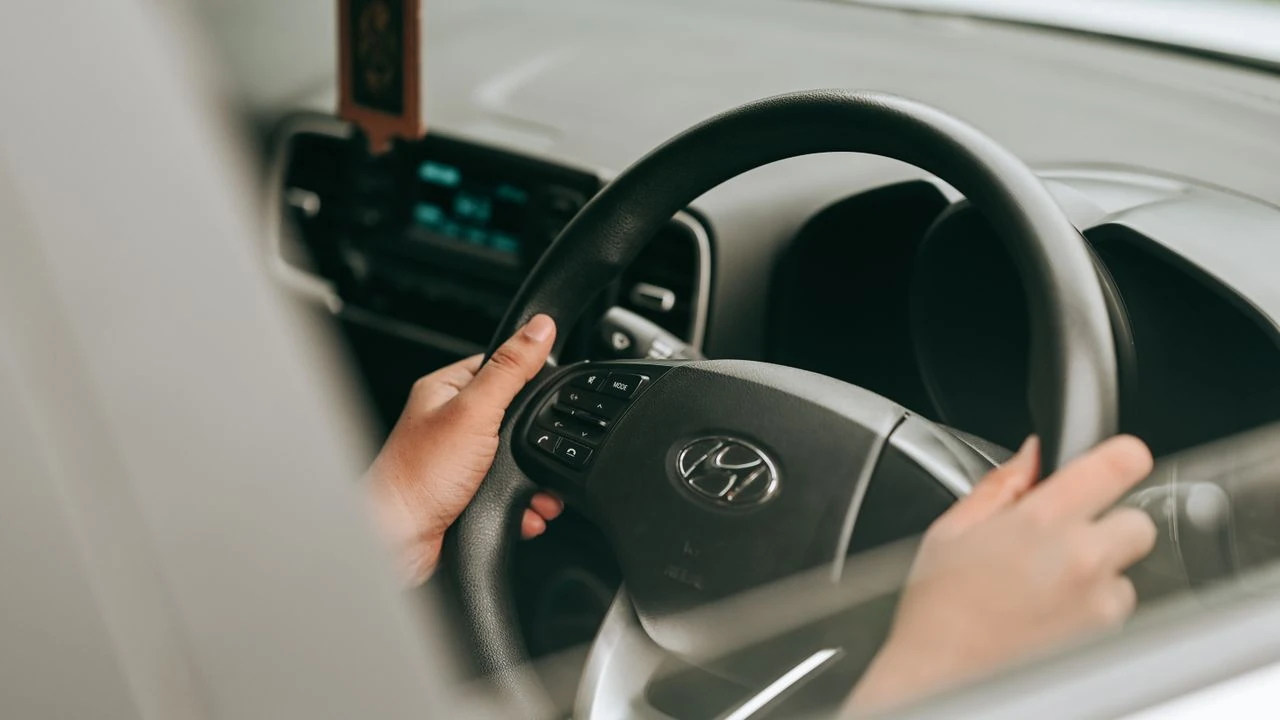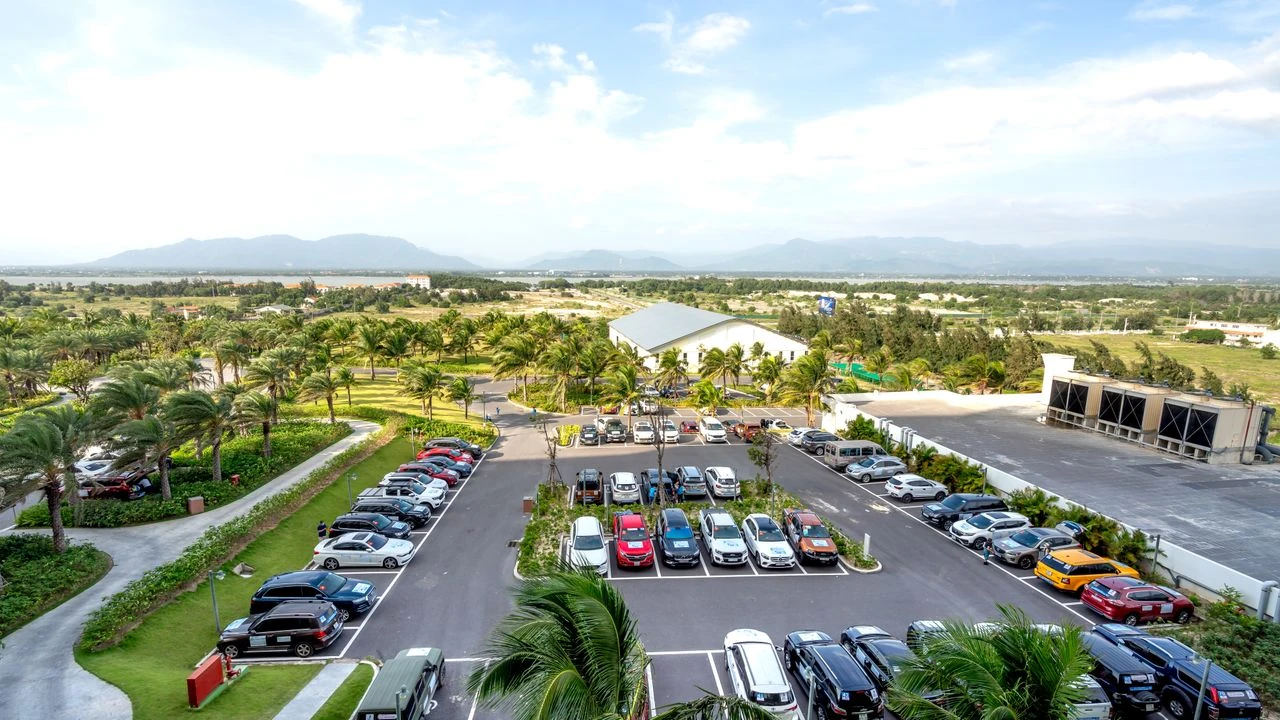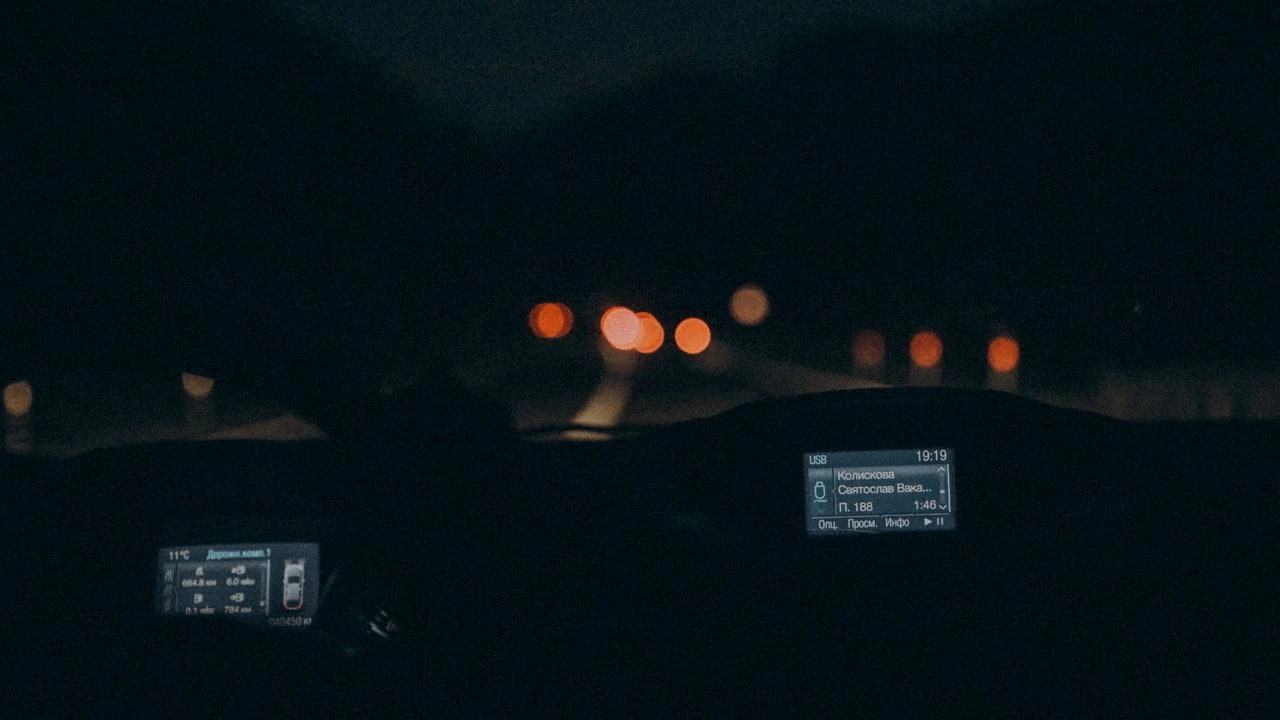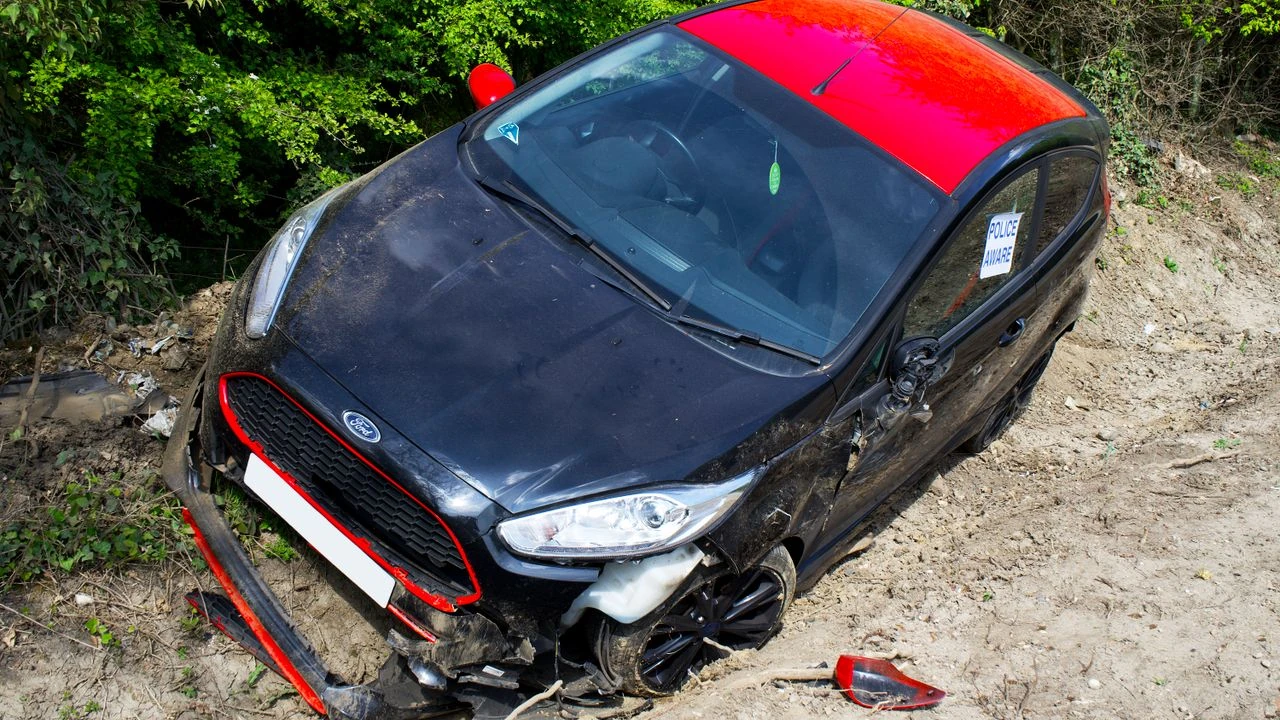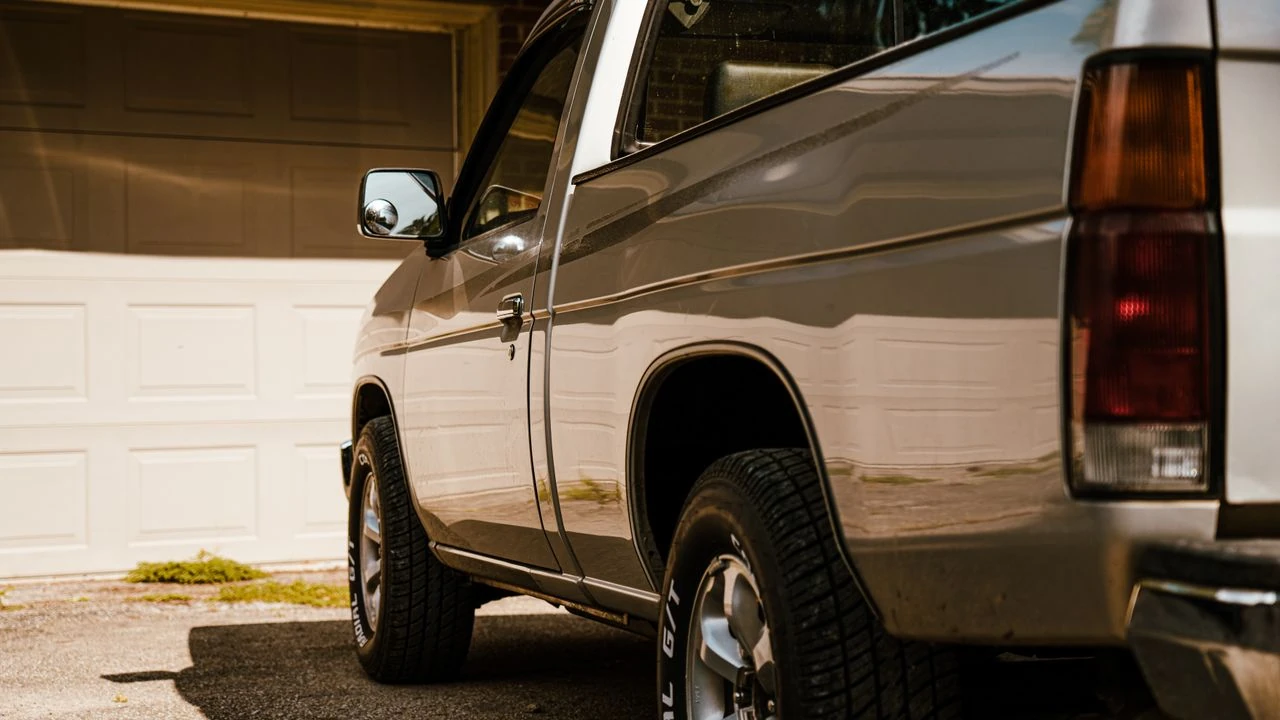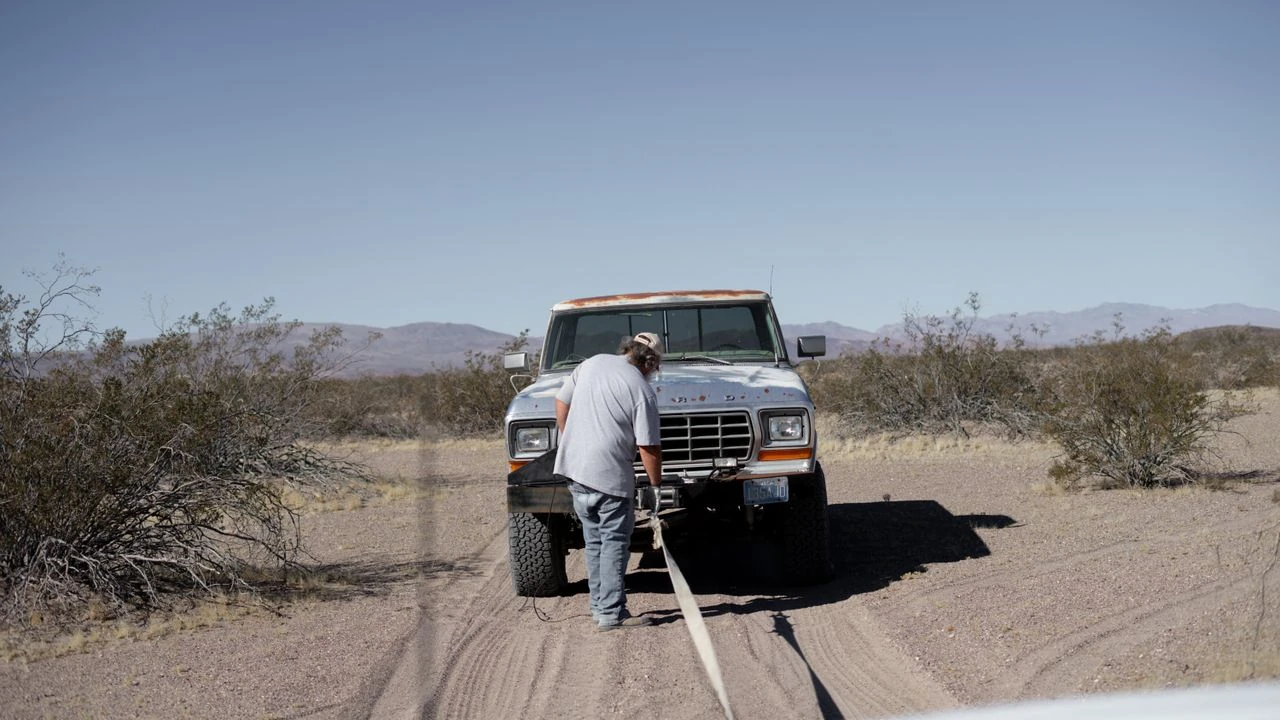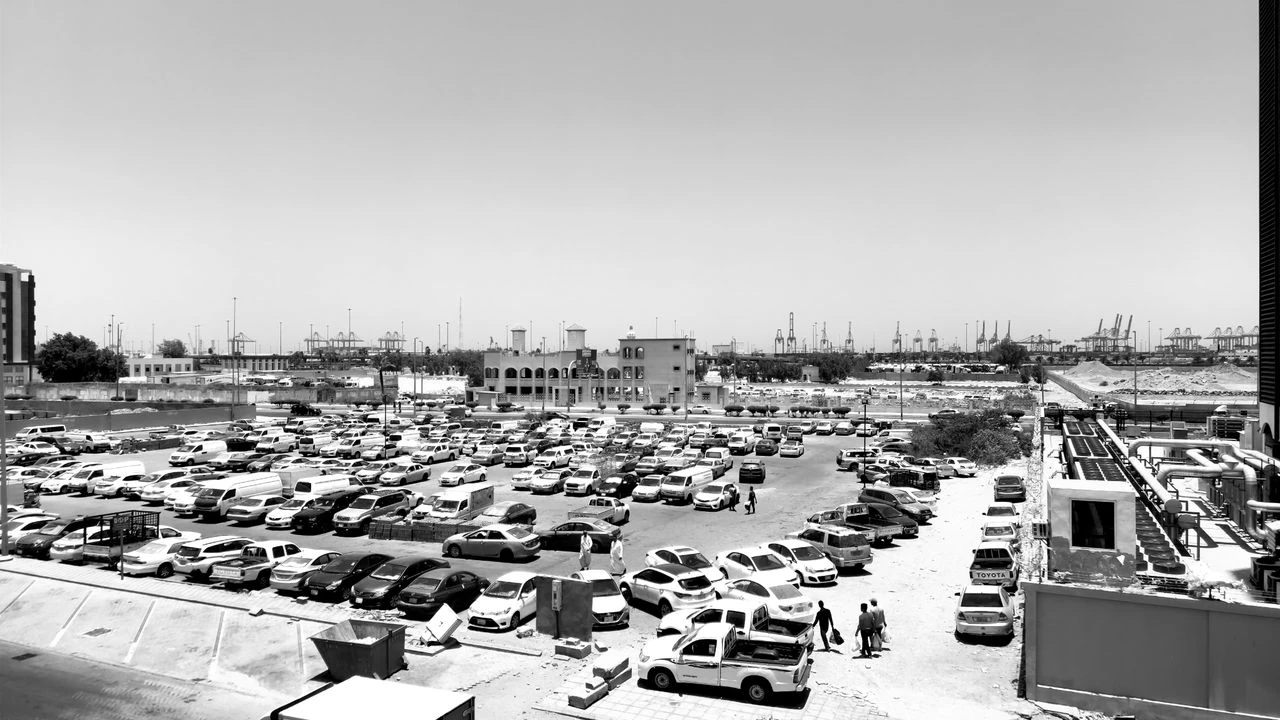
Tuesday, 2:20 in the afternoon, level 3 of the airport long-term lot, row P, space 31, and my 2018 Mazda3 answered the key with a sound like a stapler running out of staples. Click-click-click. I stood there in wrinkled travel clothes with a suitcase wheel digging into my calf, breathing nine weeks of other people's shuttle exhaust, staring at a dashboard as dead as a rent receipt. The clock on my phone said I had landed at 1:05 and owned a vendor call at 3:00 sharp that I could not take from a bus.
The problem was going to cost money inside ninety minutes, and the nearest living soul was alot attendant half a row away shining a flashlight into a Prius. My meeting could wait for nobody and my car could not even whisper. Cars hate vacations. That sentence cost me about $240 to learn, and it cost me twice, which is the part I will explain before the end.
A dead battery is a boring problem with a hidden second act, and the tires had their own complaint queued up behind it. The second act arrived two days later, in my own driveway, in front of a neighbor who pretends he did not see anything. Sitting still, it turns out, is a way of breaking a car — slowly, politely, and all at once.
the stapler sound
A no-start has a grammar, and I have absorbed to read it the expensive way. One solid clunk is the starter trying. A rapid click-click-click is a battery with nothing left to give, typically because something slight stayed awake or cuz the battery itself has simply finished its career. Mine had finished its career. Nine weeks of parasitic drain — the clock, the alarm, the memory seats sipping power around the clock — had taken an old battery the rest of the way down, and the Mazda delivered the news in stapler.
Dean and the jump pack
The attendant — Dean, per the patch on his vest — walked over with a jump pack the size of a lunchbox and had my engine running by 2:52, thirty-eight minutes after I first touched the door. He talked while the clamps bit. Battery's been sitting, he said. Drive it thirty minutes, don't shut it off, get it tested. Lot guys see this every June, he said, families landing from two-week trips, hoods up, suitcases everywhere. I gave him the two granola bars from my carry-on, which he accepted like a man who has saved forty people before lunch.
flat spots at 62 miles per hour
The drive to my office introduced the second complaint. Around 62 miles per hour a rhythm vibration rose through the wheel, steady as a metronome, and my first reckoned was suspension damage, which is how a tired brain writes checks. Tires parked in one position for nine weeks develop flat spots, square patches where the rubber forgot its shape under the car's weight. Pressure had sagged to 24 psi on the left rear, too. No parts, though. I topped all four at a gas station for free, drove 80 miles over two days, and the vibration faded as the tires relearned their roundness.
28 percent, for a battery
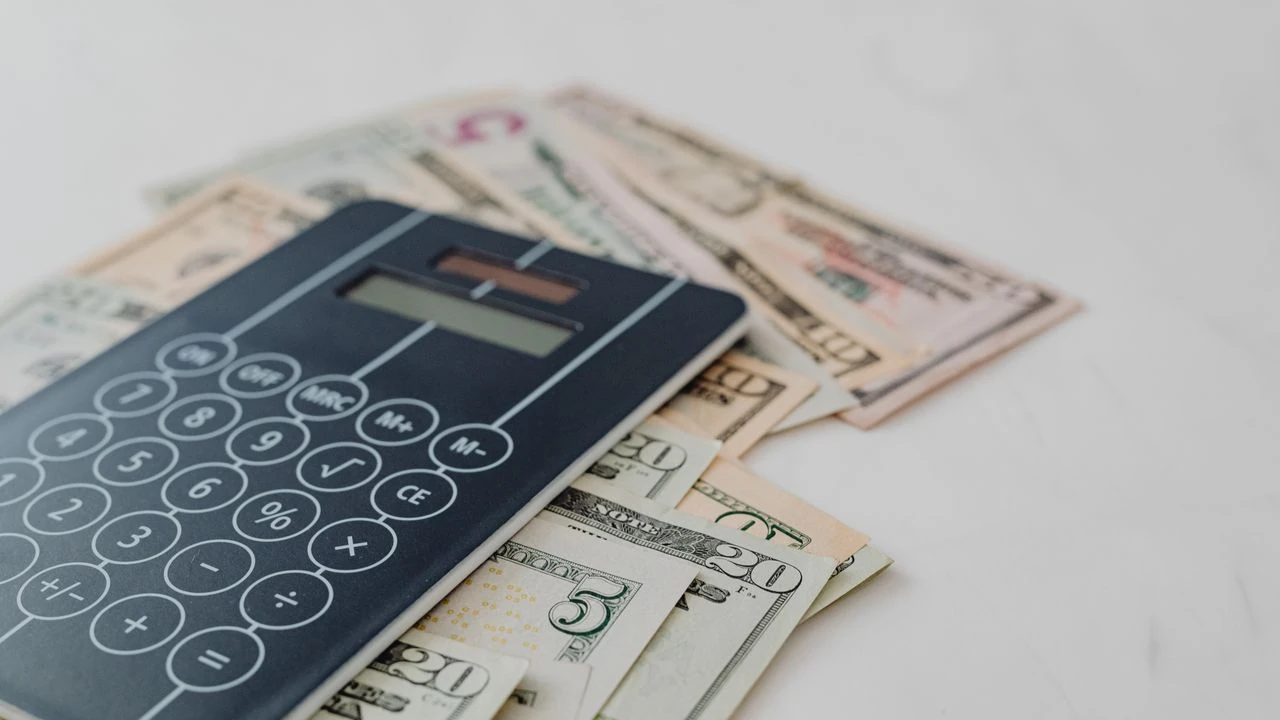
While the parts store tested the battery, their financing tablet kept offering to split my purchase into monthly installments at 28.99 percent APR, a personal loan wearing a name tag and standing much too close to me. A $209.99 battery financed over 12 months at that rate runs about $50 in interest, which I figured out on my phone's calculator in the lobby while a man in a red shirt poked at my old battery with a conductance tester. The app promised no impact to your credit score for checking, which is how they get you to check, and how they get you to check is how they get you. I declined twice. My emergency fund covered it without a meeting.
my driveway, Thursday, same sound
Dean's thirty-minute speech had a sequel I did not know was scheduled. Thursday morning, 7:10, my own driveway, the Mazda gave me the stapler again, full performance, encore demanded. The jump had been a loan. Not a fix. A seven-year-old original battery with 94,000 miles on the odometer does not accept a jump and return to work; it files its resignation. I snagged the replacement that afternoon — $209.99 installed, group size 51R, sixty-month warranty — and kept the receipt in a file I now call Proof of Vigilance.
the $239.97 receipt
Here is the full revival invoice, itemized like a hospital bill. Battery installed, $209.99. Key fob battery, $4.99, cuz seven years drains those too. Touchless car wash, $24.99, to remove a summer of lot dust that had baked into a rind. Total: $239.97, or basically the $240 I promised you at the start, and not one dollar of it — this is the part I keep chewing on — went to anything a driver would call a repair. The car never broke. It waited, and waiting got billed.
seven years of original everything
The mechanic tested the old battery twice because the number embarrassed him: 31 percent of rated cold cranking amps, in a battery stamped with a date code from 2018. I had replaced wipers, brakes, even a wheel sensor, and never once the one component that sits in a dark tray holding its breath for a living. My neighbor starts his truck weekly in winter, like a ritual with a coat on. I called him paranoid in 2023. I called him for advice in June.
space 31 in the rearview
I flew out again last week, a short six-day trip, and before I left, a battery tender went on the Mazda, plugged into the garage outlet my father used to reserve for his beer fridge. My neighbor holds spare keys and written instructions with a signature line, which he finds funny and signs anyway. Landing Thursday, I walked out of my way to pass row P and looked at space 31, empty, its painted numbers bright under the sun, holding nobody's week hostage. The stapler sound lives in my ears now, and $239.97 lives in my filing cabinet, and sitting still — for cars, for batteries, for anything with acid in it — carries a bill I will never again pretend is zero. Cars hate vacations. I keep the receipt to prove it.