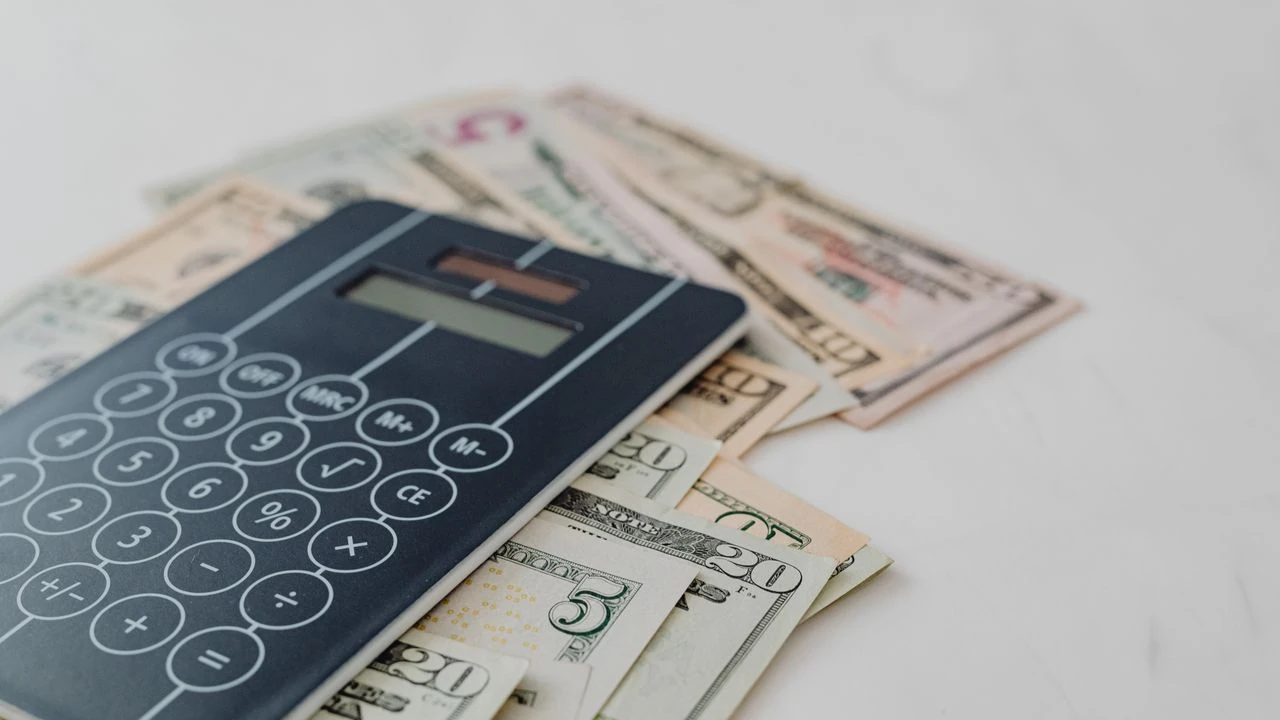
Saturday, 9:41 in the morning, my kitchen table, two loan statements squared up like duelists, a pocket calculator from a 2019 trade show, and a pencil I have already sharpened twice. The radiator ticks. Coffee gone cold beside a Hyundai payment stub. One sheet says I owe $30,094 at 9.4 percent. The other, printed by my credit union back in January, says the same SUV should have cost me $27,094 at 8.2.
The gap between those two pieces of paper is $1,712 in finance charges over 60 months, which happens to be more than I paid for my first car, a 1996 Saturn SL2 with a tape deck that ate every cassette I owned. I signed the zero-down deal in September 2025 cuz it felt like the dealer was doing me a favor, and favors at a dealership are priced like everything else. Nobody flagged it. Not the salesperson, not the manager, not the fine print.
Three letters did the damage. LTV — loan to value — lives inside a lender's tier chart, and every rung of that chart nudged my rate upward while I sat there admiring the smell of a cabin I could barely afford. The proof sat on page 4, line 12 of my own contract the whole time, right beside a box labeled Amount Financed, and I stared straight past it while a man detailed satellite radio trials.
the $0 that felt free
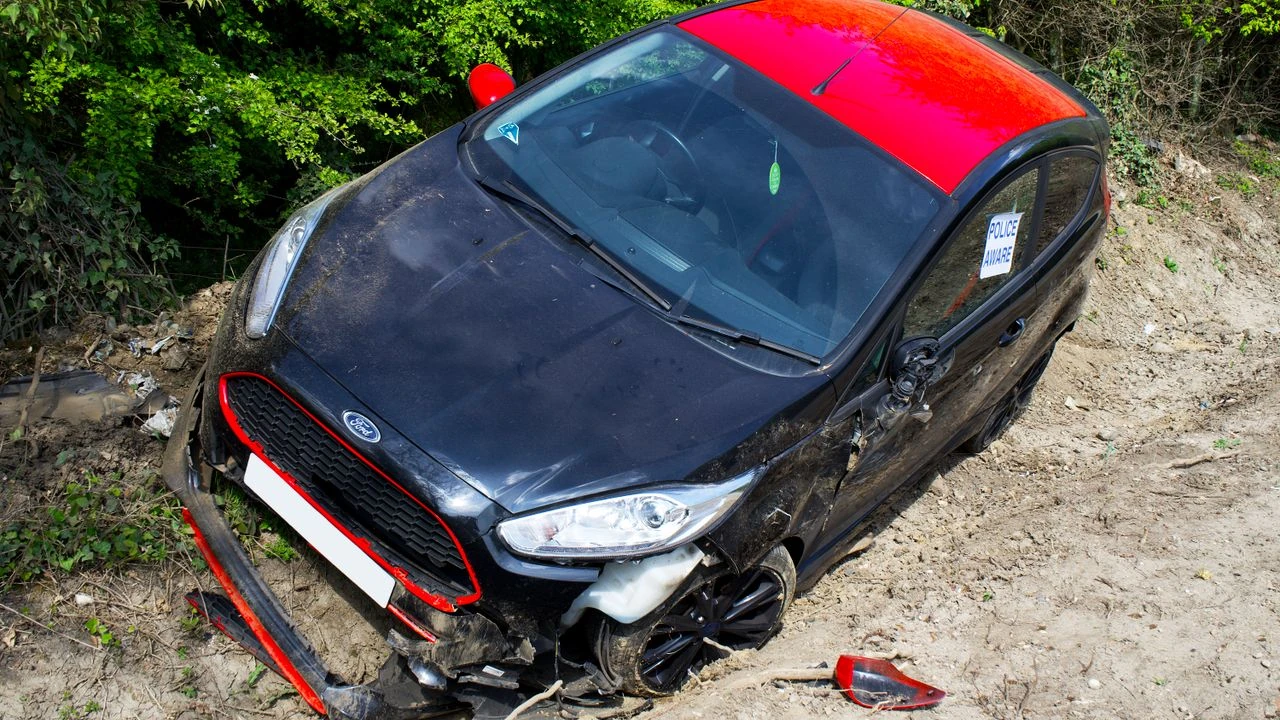
The Tucson was a 2021 SEL with 38,000 miles, listed at $26,995, and I wanted it the way people want things on a Saturday afternoon, which is to say badly and without arithmetic. Dre, the salesperson, kept calling me champ and sliding worksheets across the desk like a man dealing cards in a casino he owned. Zero down. $630.67 a month for 60 months. Drive it home before the kickoff. The number felt manageable because it fit inside one paycheck, and I had apparently retired from math sometime around 2021.
page 4, line 12
Here is the skeleton of what I signed. Amount financed: $30,094, which was the price plus $2,404 of sales tax, title, registration, and a $499 documentation fee, all of it rolled into the loan cuz I brought nothing to the table but a pen. Finance charge: $7,746. Total of payments: $37,840. Line 12 carried the loan-to-value ratio, 123 percent, printed in the same polite font as everything else, because paper has never once known how to shout.
the laminated tier chart
Months later, a credit union officer named Rosa laid their actual rate sheet flat on her desk and let me read it, and that laminated rectangle clarified more in ninety seconds than my nineteen-page contract had managed in five months. A lender prices the loan against the car's auction value, not against my character or my promptness with thank-you notes, and my Tucson's book value sat at $24,400 while my balance sat at $30,094, so I owed 123 percent of what the thing could realistically fetch on a wholesale Tuesday. Anything above 120 percent LTV triggered a bump of about 1.2 points on their sheet. The chart won. My credit score was 664 that fall, respectable enough to feel good about at parties, and it barely mattered, cuz the gap between what I owed and what the SUV would bring at auction was the only number the spreadsheet loved. Rosa tapped the column twice, the way you would point out a scar.
$3,000 at the same desk
The credit union's worksheet, which I requested in January once my tax refund landed, assumed the identical SUV but with $3,000 down, almost exactly 10 percent of the out-the-door figure they had punched in September. That one change dropped the amount financed to $27,094, moved the loan down to 111 percent of book value, and cut the rate 1.2 points to 8.2 percent. New payment: $552.13. New finance charge: $6,034. Same desk, same SUV, same me, just $3,000 of cash standing between a lender and its anxiety.
$28.53 a month for five years
Subtraction is the whole article: $7,746 minus $6,034 is $1,712, which works out to $28.53 a month for five years, the sticker price of impatience quoted in a currency no dealership will ever print on a window. I jotted the figure on the back of a grocery list and felt something between nausea and education. Fees you can see. Interest you hafta subtract. Dre never cited any of it, and in fairness, I never asked.
February, 701, and a phone call
By February my credit score had crawled up to 701, so I called Rosa and asked about an auto loan refinance, using the phrase with the confidence of a man who had recently absorbed it. She pulled my payoff, $27,880 by then, and offered 6.1 percent across the remaining 55 months, which would take the payment down to $582 and shave approximately $2,600 off the interest still ahead of me. We talked through the numbers for twenty minutes, her reading them, me asking her to read them again. The refinance clawed back real money. It could not retroactively un-sign September.
the calculator tape
The pocket calculator still lives in my kitchen drawer with its paper tape curled inside like a fossil, and on that tape, in fading thermal gray, is the subtraction that cost me a winter of mild self-loathing. This past Saturday I pulled it out again, 9:41 in the morning, same table, and laid the refinance statement next to the original contract to see whether the wound had healed clean. It had not, exactly. The $1,712 remains the tuition I paid for wanting a driveway upgrade faster than my savings could vote on it, and no refinance, no matter how friendly Rosa is, sends that money back through the machine. I keep the tape anyways. Receipts for stupidity are the only ones I have never lost.