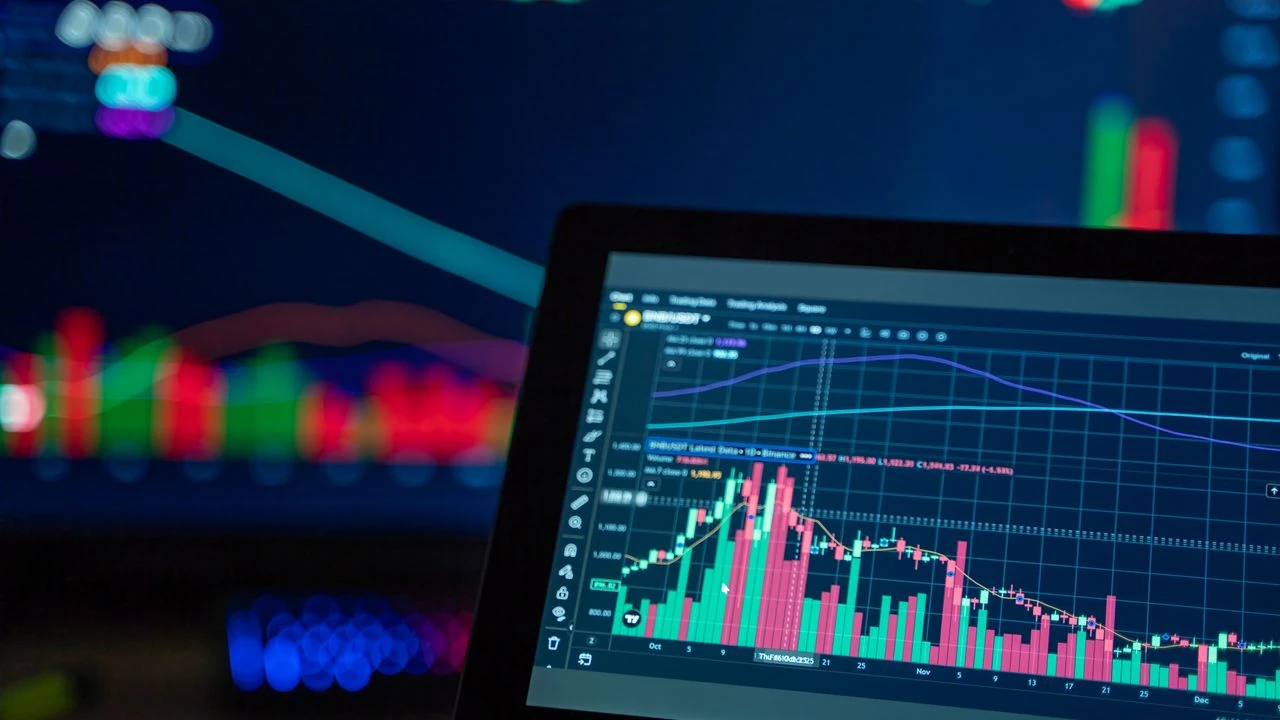
Tuesday, August 11, 2:05 in the afternoon. Desk fan doing its best, laptop showing a token called KRVE on the slight exchange where I keep my speculative allowance, two listings stacked in the sidebar like twins. Same logo, same name, same whitepaper link, tickers one character apart. My limit order filled green at 2:06 and I felt the little dopamine tap on the shoulder. The fill was on the wrong twin.
The position was $2,000, the top of what I call the casino budget, money whose entire job is to teach me lessons at tuition rates. KRVE was a mid-cap utility token I had followed since June, and the newer market was where the depth lived, $180,000 of book, spreads a penny wide. The legacy market, I would learn the expensive way, still traded with $4,000 of book and a spread you could drive a bus thru. The stakes were tuition.
How does an exchange list the same asset twice? Migrations. The project moved contracts in July, the old listing was supposed to be delisted, and somebody at the exchange pressed the wrong button or no button at all, leaving both markets alive with identical skins. My $76 mistake had a birth certificate, and it was a migration announcement I skimmed on July 30.
two tickers, one logo
Pull up the sidebar and the confusion is complete. KRVE sits above KRVE2, no banner, no warning stripe, nothing to suggest one of them is a ghost. I had snagged KRVE before, in the old market, back when it was the only market, so my brain pattern-matched to the familiar ticker and I set my limit buy at $0.52 without checking the contract address. The order filled in ninety seconds. On a ghost, at 2:06, for 3,800 units.
the spread that ate the difference
The real market traded at $0.55 that afternoon. The ghost showed $0.52 on its thin book, which is why my limit filled there at all: my buy was the best thing that had happened to that market all week, and somebody's ancient sell order gotta retire on my dollar. I owned 3,800 units of a token that traded, when it traded at all, about three cents under where the actual market sat. Ghost assets have a way of staying ghosts. Withdrawals for the legacy contract were already disabled. The door was bricked shut while the sign outside still said open, which is the whole small-exchange experience in one sentence.
sixty dollars of ghost, sixteen of fees
Unwinding took two days and cost exactly $76, and I can show the receipts. Selling 3,800 units into that $4,000 book meant feeding the awful spread, out at an average of $0.478 instead of the $0.55 I could have touched in the real market, a $60 haircut by itself. Add $11 in taker fees at the modest exchange's unfriendly rate and $5 of stablecoin conversion on the way out. The real-market version of the same trade, start to finish, would have cost me about $4.
the support ticket that explained it
I filed a ticket, mostly to be a pest, and got a reply in two days that was weirdly honest: the legacy market should have been frozen at migration, it was not, and my fill was real but not reversible, here is $10 of trading credit for the trouble. Ten dollars. The reply did confirm withdrawals were disabled on the ghost, which meant every day I hesitated, my exit options kept shrinking, so at least it lit a fire under the unwind. Exchanges move at the speed of shrug. Your orders move at the speed of you. The $10 credit sits unused in my account, by the way, a coupon for a store that sells identical twins.
what a ticker actually is
The lesson that stuck is almost embarrassing in its simplicity. A ticker is a costume. The contract address is the face, and every listing page shows it in modest gray text that I scrolled past for two years, and now I click it, copy it, and match it against the project's own site before any order bigger than lunch money. On the hefty brokerage side of my life this problem is structurally impossible, which is part of why the bulk of my money sits in a plain index fund where there is exactly one of everything and no twins. Speculation gets the pocket change and the paranoia it deserves.
the tax season souvenir
One more wrinkle worth writing down. That ghost sale is still a disposal, so next spring my capital gains tax worksheet gets a line item I would never have created on purpose, a slight loss, actually, which the way I understand it at least offsets a slice of gains somewhere else. I printed the trade history the same week and stapled it to the folder. Mistakes are only free if they are documented.
back at the desk, 2:19
At 2:19 that Tuesday I looked at the sidebar one more time. The real KRVE, bid $0.551, my corrected position sitting in it, slightly slight and slightly wiser. The ghost still listed underneath, zero withdrawals, a $4,000 book, waiting for the next person whose brain liked the familiar spelling. Twins. One of them haunted. I know which one now, and it cost exactly $76 to learn.