Tuesday, June 16, 2:05 in the afternoon. My kitchen table, a stopwatch borrowed from a runner friend, and my sister Ada holding page three of a letter I wrote her like it might sting. Page three. That is where people panic. The rules of the drill were simple: follow the letter, find everything, ask me nothing, twenty minutes on the clock. She turned the page and read out loud, "the gray pouch inside the fireproof box is not the wallet, the wallet is taped under the second shelf."
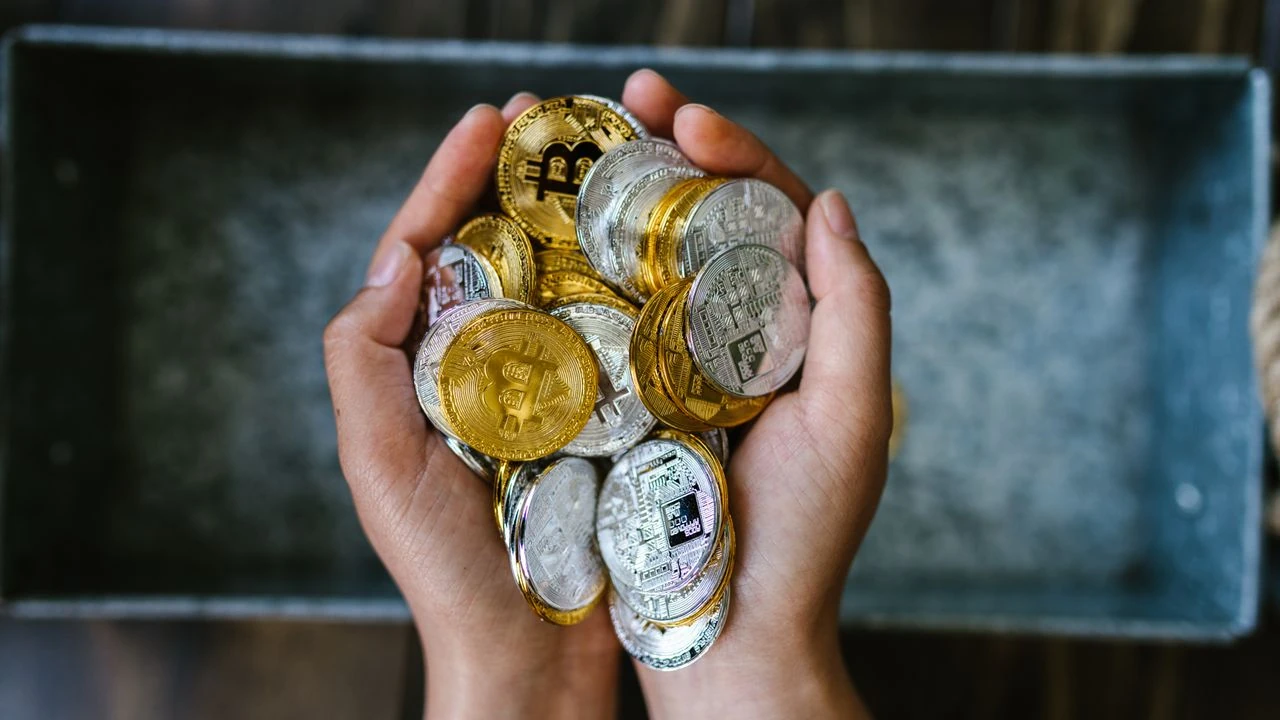
Inside that cold wallet sits about $14,000, which is not dynastic wealth but is absolutely the kind of money that evaporates if the only person who understands it dies with it. I have read the horror stories. Hardware in a drawer, family thinking it is a beeper from 1998, twelve words on a card that went out with the recycling. If the 6:40 bus gets me, the crypto either has instructions or it has a funeral of its own.
The letter took three drafts and one $150 check to a lawyer who read it against my actual will and caught one sentence that would have started a family argument during the worst week of our lives. The drill, though, is the part nobody talks about. You do not honestly know whether your instructions work until you watch a human being use them while you sit on your hands.
the gray pouch is not the wallet
Anatomy, for the record. The fireproof box in my closet holds a plain envelope, a gray fabric pouch, and a laminated card that says in capitals DO NOT PLUG ANYTHING IN YET. The pouch holds the device, which is a calculator with a screen, not a bank. The wallet itself, the thing that actually matters, is twelve words sealed in an envelope at a bank vault across town, and the letter explains that order matters, that the words are the entire fortune, and that no legitimate person will ever ask for them by phone or email. Order matters. That sentence is underlined twice.
why a letter and not an app
Password managers die with your password. Exchanges freeze accounts pending documents nobody can produce for a dead man. A letter is dumber than all of that and better: it is paper, it has no login, and it speaks in the voice of a person rather than the terms of service of a company. Ada cannot lose a piece of paper she keeps in your fireproof box. Apps get redesigned mid-grief. Paper holds still.
what the letter says
The letter names no amounts, on the lawyer's advice, only shapes: a device in the gray pouch, twelve words in a vault, box number on the key tag in my desk. It explains, in fourth-grade sentences, that the coins can be sold by the executor and that the device is worthless without the words. It lists the boring money too, so the lights stay on before anything crypto even wakes up: the index fund account with its beneficiary form already filed, the emergency fund sitting in high-yield savings, the checking account where the mortgage autopay lives. Boring first. Drama later, if it must.
twenty minutes of legal reading
I found the lawyer through my actual estate attorney, who was too expensive for a letter review and said so honestly. Her junior colleague charged $150 flat, read for twenty minutes, and made three marks in the margin. Two were commas. One was a paragraph.
the sentence she circled twice
Draft two said the coins should go to my nephews' education fund, a warm line I had been proud of at midnight. She circled it twice and detailed it like weather: the will already splits the estate three ways, and a letter promising a specific slice of one volatile asset to specific people turns executors into day traders and brothers into plaintiffs. The letter now says where things are, and nothing about who gets what, cuz that argument belongs to the will and not to a pouch. I paid the $150 and thanked her. Cheap sentence to delete.
the twenty-minute drill
June 16 was drill day. Ada began the stopwatch, followed page one to the fireproof box in the closet, found the pouch, found the taped wallet, and read the laminated warning out loud in her do-not-argue voice. Page two sent her to my desk for the vault key tag, where the box number lives. Page three walked her thru what a recovery looks like in theory, on a clean machine, at a table, with coffee and no rush. Nineteen minutes and forty seconds. She asked me nothing.
the hallway question
The drill caught a real hole anyways. The vault key opens the box, but my letter assumed Ada knows which branch, because of course she does, except of course she did not, and she stood in my hallway saying the street name like a question. Version three now names the branch, the hours, and the fact that a copy of my driver license sits in the same envelope, cuz banks are picky about who opens a dead man's box. Paper is honest like that. It fails exactly where your brain quietly filled in gaps.
what happens twice a year
The deal now is a drill every January and every June, fifteen minutes, stopwatch optional, cuz instructions rot quietly while life rearranges drawers. The letter gets one revision window per drill, and the lawyer's $150 gets spent only when a revision touches the will itself. Everythin else about the setup is aggressively dull, which I have decided is the entire point of an inheritance: the excitement should belong to the living, and the paper should be boring as concrete.
back at the table, page three
At 2:24 that Tuesday, Ada put the letter back in its envelope, pressed the flap down like she was sealing a verdict, and dropped it in the fireproof box on top of the gray pouch. The stopwatch read nineteen forty. My $14,000 has a map now, a lawyer's blessing, and a keeper who has already walked the route once with her own hands. Twenty minutes. That is the whole estate plan for the odd half of my money.