Tuesday, July 14, 1:47 in the afternoon. Second coffee, kitchen table, laptop open to a mid-cap token called HLX on the modest exchange where I do most of my altcoin business. On the sell side of the order book, one line held 40,000 units at $0.342, stacked neat as bricks. The wall looked solid. It sat there the way a load-bearing wall sits in your own house, thick and patient and certain to hold when you lean on it, and I had leaned on three walls exactly like it since the second week of June.
My stake in that wall's shadow was 12,000 HLX, call it $4,100, which for a freelancer with lumpy invoices is groceries and a chunk of rent. The gap mattered. If the wall held, I sold at 0.342 with no drama; if it vanished, the next real bid sat at 0.338, a $48 haircut on money I had already spent in my head.
What the wall did next was worse than vanish. It waited til my order was one tick away, then evaporated in under two seconds flat. Gone. There is a name for that game, and there is a timestamp in my notes app, June 9 at 2:12 PM, that explains every trading rule I run now.
the wall at $0.342
An order book reads top to bottom like a receipt. Level one is the best bid and the best ask, the only two prices backed by people who must actually trade, because nothing moves til somebody crosses that spread. Everythin deeper is a promise. Levels two through fifty are just lines other traders drew, and any one of them can be erased for free, instantly, and with zero consequences, which is precisely what happened to my 40,000 units of borrowed confidence. Forty thousand units. One price. No buyers when it counted.
forty seconds of courage
June 9 was the first lesson. I had held HLX since April, up about 9 percent, and I wanted out before a weekend wedding with no laptop and terrible reception. The plan was tidy. A limit sell at 0.341, one tick under the wall, clean exit, done by dinner. At five past two the bid sat one cent under my ask, and I watched that final cent the way you watch a kettle you have already poured the water for, absolutely certain the whistle was seconds away.
At 2:11 the price touched 0.340. At 2:12 the wall was gone, all 40,000 units pulled in less time than it takes a page to refresh, and my order filled anyway at 0.338 against depth I had never seen. The slip cost about $48. I jotted the timestamp down like evidence. Because it was evidence.
three walls in five days
Once reads as bad luck. Three times in five days reads as a business model. June 11 brought a 31,000-unit wall at 0.339 that dissolved when price got within a cent, and my fill slipped to 0.337, another $62. June 13 served a fresh 27,500-unit wall at 0.336 that stood tall all morning, right up til my order crossed, then folded like a lawn chair in the wind, and that one took $71 with it.
Total damage: $181 across five days. I round it to $180 when I tell the story, cuz the last dollar of dignity was all I kept.
what level two is for
Here is the mechanic, the way I dug into it that same month. Placing and cancelling limit orders is free and instant on every exchange I have touched, while actually crossing the spread is the only action in the whole building that moves price. That asymmetry is the entire trick. A patient actor can park 40,000 fake units above a quiet market, wait for momentum traders to lean on the wall, and cancel the moment it starts to matter, and nobody's money is ever at risk except ours.
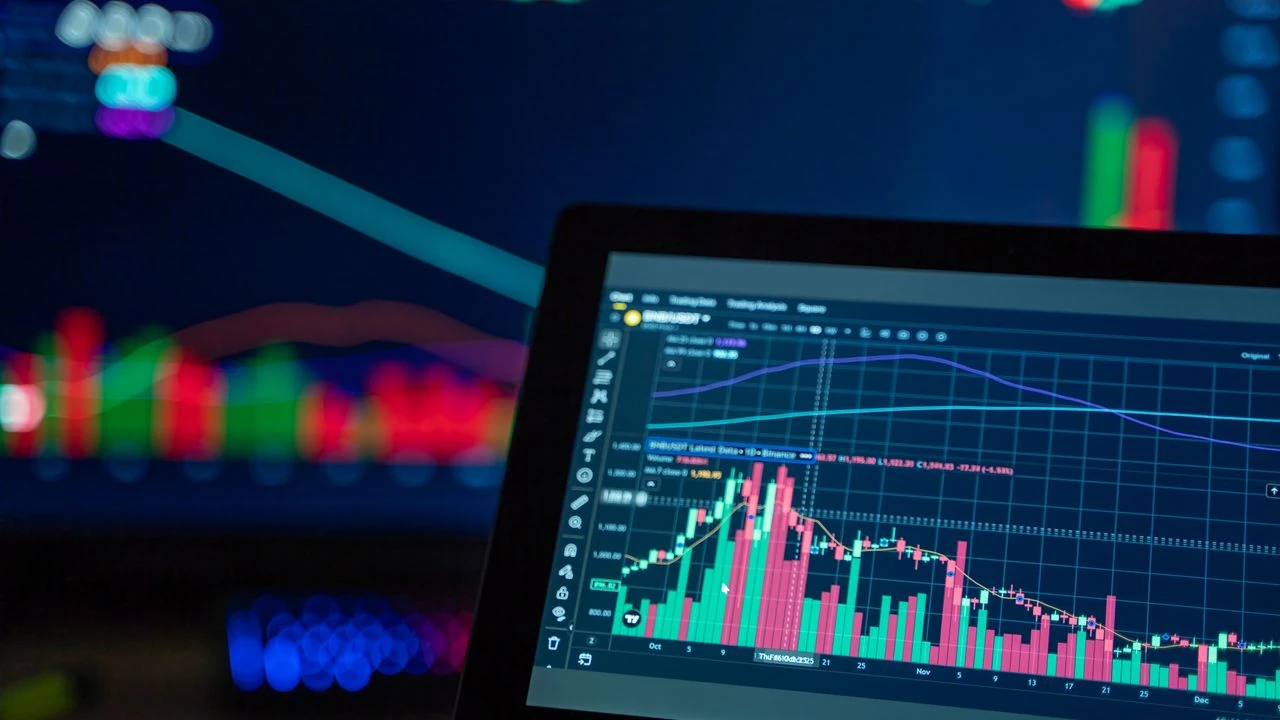
Regulators call it spoofing when it happens in stocks. On a slight offshore venue with thin oversight, they apparently just call it Tuesday. The depth chart, with its green mountains and red valleys, is a mood ring. Pretty. Meaningless.
the rule that fits on an index card
So I narrowed my whole trading discipline down to two lines that fit on an index card under my keyboard. The card says this. Size every order to fit inside level one, the best bid or the best ask, cuz that is the only depth with blood in it. Underneath that: treat every deeper level as a rumor til a real trade prints thru it, and never lean on a rumor. If level one cannot absorb my size, I split the order across days or walk away from the trade entirely, no exceptions for conviction, no exceptions for a chart that looks ready. Two lines. Paper beats screen, apparently.
where the boring money goes
The $180 tuition also moved most of my money somewhere spoofing cannot follow. These days the bulk sits in an S&P 500 index fund, snagged as a no-commission ETF thru a regular brokerage, where an order my size fills inside a penny of the quoted price and nobody can pull the book out from under me. The most theatrical thing that order book does is drift two cents while I make coffee. Every dollar that leaves HLX lands in the index fund the same afternoon. Boring spread. Beautiful spread.
back at 1:47
So there I was on July 14, same kitchen table, same wall, 40,000 units of HLX parked at $0.342, and this time I was not leaning on it, I was just admiring the paint. I sold 4,000 HLX inside the top of book at 0.341. Nine seconds, start to fill, price exactly as quoted. The other 8,000 can wait for a day when level one alone can take the whole order, because it either can or it cannot, and pretending otherwise is how a wall collects $180 from a guy who should have known better.
The wall was still sitting there when I closed the laptop. Mayb it was real. I had stopped needing it to be.