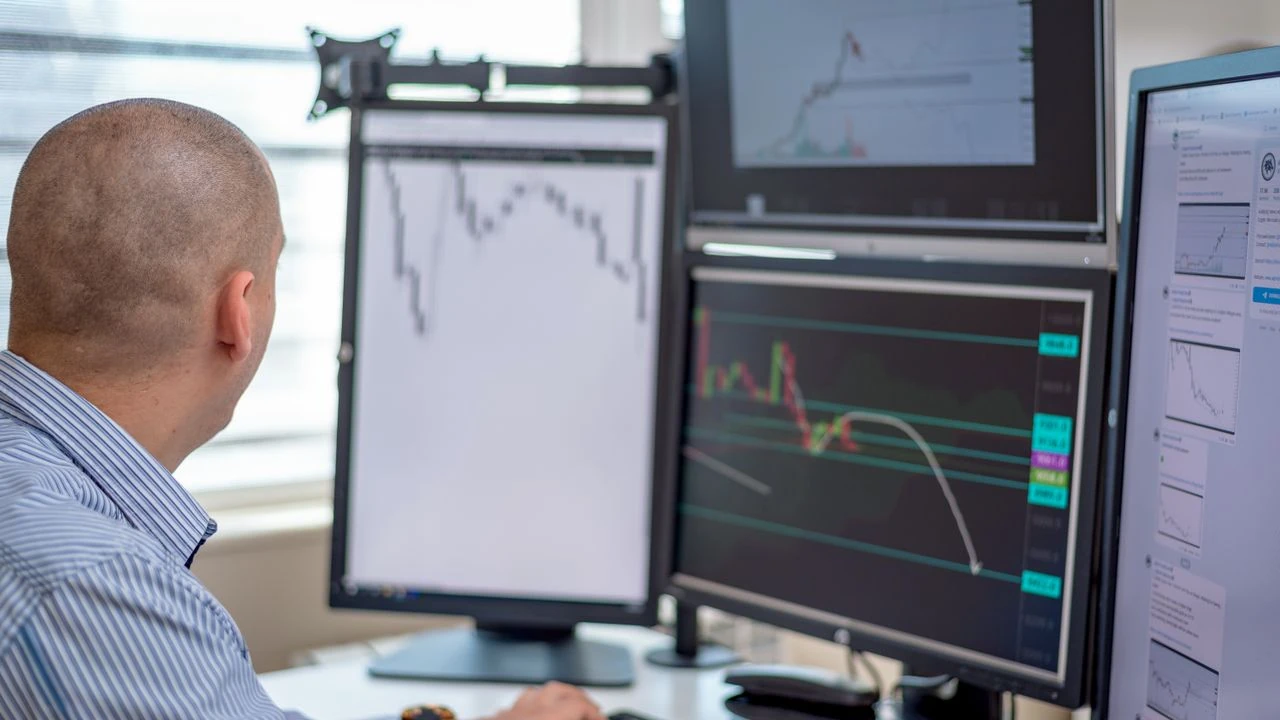
Saturday, 9:40 in the morning, February 21. I sat at the kitchen table with my paper statement folder, the kind my brokerage still mails because I never clicked the paperless button, and a highlighter running dry. I zeroed in on page four and a line I had skipped for years: dividends reinvested, 128.4 shares year to date. The retailer paying that dividend had cut it from 52 cents to 8 cents in November 2022 and frozen it there. The robot kept buying anyway. It spent eight months deploying those dimes into a falling stock, and I signed off on every page with my silence.
The stock is a regional department store chain I snagged in 2021 at $17.20 a share, ninety-eight shares of it, cuz the 4.6% yield looked like a bond with better stories. By October 2022 it traded at $6.90 and the dividend was the only thing still paying me to believe. Automation starts with a checkbox. I never enrolled in anything called DRIP; I ticked one box in 2021 labeled reinvest dividends, and checkboxes are how automation begins while you are looking at something else.
What I found on page four, and in the nine statements before it, was a purchase record nobody authored. Every quarter the frozen dividend snagged more shares at whatever price the market offered that day, which by spring 2023 meant $5.40, then $4.80, then $3.95, each purchase slight and stranger than the last. The dividend died entirely that November. My account snagged the funeral shares first.
the folder with 2022 in it
My system, if eleven years of not looking can be called a system, runs on paper statements and one folder per year. The 2022 folder makes grim reading: the stock fell from $14 in January to $6.90 by Halloween, the broader market broke something in most of us that June, and my total-market index fund spent the year doing what index funds do, which is falling and buying on schedule. The difference between those two positions is the entire point of this story. One of them rebalanced by design. The other just kept swallowing.
128.4 shares I never clicked
Here is the exact mechanism, pieced together from nine statements and one phone call with a service rep named Dante who pulled the DRIP ledger. Each quarter the frozen 8-cent dividend hit my account, and cuz reinvest was toggled on, the plan converted it to fractional shares within two business days at the closing price. Thirty-one shares in December. Forty more in March at $4.95. The rest dribbled in as the price sagged. None of these were decisions. They were defaults wearing the costume of decisions, executing automatically in a stock whose payout committee had already shouted distress by slashing the payout 85%.
the dividend froze at eight cents
The word frozen deserves its own examination, cuz frozen sounds temporary, like ice waiting for a spring thaw. The board cut the quarterly payout from $0.52 to $0.08 in November 2022, called it a position of strength in the press release, and paid exactly $0.08 for the next four quarters without variation. The floor became the ceiling. Yield-starved investors like me read that flat line as stability when it was a held breath, and the DRIP kept converting the held breath into shares of a company burning approximately $2 million a quarter. Frozen, in dividend language, is what companies say on the way down.
nine months of robot receipts
Total damage from the automatic buying: $412 of reinvested dividends converted into shares that declined another 38% before the payout's elimination, a paper loss of about $157 on purchases no human approved. That number is slight. The lesson inside it is not. An automatic buyer carries no opinion, no exit rule, and no ability to notice that the reason for owning has left the building; it converts whatever arrives into more of the same, forever, until a human interrupts. I had assigned my attention to the exciting positions instead. The boring checkbox kept working the whole time. Boring is not the same as safe.
4.1% in a savings account instead
The counterfactual sat in my bank app the whole time doing nothing impressive. In April 2023 I opened a high-yield savings account paying 4.1% for an emergency fund, and that idle, unglamorous bucket outperformed the frozen-dividend stock over the same stretch without one decision, fee, or press release. Cash yielding 4% is not an investment strategy. It is, however, a place where money waits without melting, and the comparison permanently rearranged how I rank my own accounts. The DRIP was a machine for converting modest certain payments into large uncertain losses. The savings account just sat there, boring and intact, being right by accident.
the off switch, four clicks deep
Turning off the DRIP took four clicks in March 2023, according to the settings history Dante read to me, which means the tool existed the entire time the machine was misbehaving. I never went looking, cuz statements arrive quarterly and the position was slight and shame is a powerful avoidance engine. Incoming dividends now sit as cash in the brokerage sweep, and I move them by hand each quarter into whatever actually deserves them, which lately is the same boring index fund as everything else. The hand is slower than the machine. The hand is also me.
February 21, highlighter dry
I sat with the folder for an hour and then put the highlighter out of its misery. The position survives in slight form, 213 shares of a department store chain that may yet reinvent itself, and the robot stays off. Every January now I audit the automation itself, checkbox by checkbox, the way I audit spending, because February 21 taught me that the most dangerous trades in my account are the ones nobody pressed. The high-yield savings bucket still earns 3.9%, still intact, still boring. The folder has a 2026 tab ready, and it will not find me asleep at the checkbox while a machine does the pressing.