At 1:40 on a Thursday afternoon in February, I sat at my kitchen table with an envelope postmarked Cleveland, a letter opener I have owned since 2009, and a cup of coffee going cold beside the fruit bowl. My name was typed on it. Under my name sat a line I had to read three times: gross proceeds, $3,105.42. The shares were gone. Nobody asked me first.
That money was the last of my stake in Ardent Freight Systems, a mid-cap trucking outfit I snagged into back in 2019 at $19.44 a share. A bigger logistics group snagged the entire company last October for $66.10 a share in cash, and every last share, including my forty-seven, went with the deal whether I liked it or not. The gain worked out to $2,214. I never chose to sell. The tax bill found me anyway.
It gets stranger. I only absorbed the deal had closed from a proxy card with a peeling sticker on it, a card I nearly dropped into the recycling with the grocery ads cuz I assumed it was another credit card pitch. That card, and the vote I was never honestly part of, is the reason $2,214 now sits on a government tax form under a category I did not pick.
the envelope with a Cleveland postmark
Twelve years of investing, and I have owned maybe nine individual stocks, most opened on purpose after reading filings or at least pretending to. Ardent Freight was the one where I actually did the homework: a regional carrier out of Ohio, 4.1% dividend, debt I could follow on a single page. Forty-seven shares cost me $913.73 with commission, back when commissions existed. I jotted the confirmation number down in a notebook and filed the whole position in a drawer, letting a dividend reinvestment plan do the work for six years. Set it, forget it, collect it. That was the plan the company politely ruined.
forty-seven shares, called home
The deal terms were simple enough. Cash at $66.10, no equity rollover, no election form, no broker survey asking what I wanted. In September 2025 the merger announcement crossed the wire and the stock jumped from $54 to about $65 in a day, which felt like winning til I read two paragraphs further and understood the price was the price, take it or sue. Shareholders could seek appraisal in court. That was the entire menu. My 47 shares, quietly compounding since 2019, turned into $3,105.42 of cash on a date I had no vote on, and the 4.1% dividend stopped the same week without a goodbye.
a proxy card with a peeling sticker
Here is what I missed. The merger proxy had arrived in August, a glossy fold-out with a control number and a special meeting date of October 2. I skimmed the first page, saw the words suggested by the board, and set it on the counter under the electric bill, which is where documents go to die in my house. By the time I circled back to it, the sticker bearing my control number had peeled half off and the meeting had already happened. Shares held thru a transfer agent instead of a broker arrive as paper ballots, because the company has no email address on file for you. Paper is easy to lose. Mine proved it.
what the deal actually paid
The math of a cash buyout looks clean from the outside, $66.10 times 47 shares is $3,106.70 before rounding, and then the true cost hiding starts. Reinvested dividends are purchases too. Each December quarter the DRIP snagged fractional shares at whatever the tape said that day, at $23, at $31, at $48, and every one of those lots carried its own tax clock from its own purchase date. When the buyout swept nineteen separate lots into one wire, my basis stopped being a number and became a filing dilemma. The spread between those lots decided what I would owe, which is a sentence I never anticipated to think at my kitchen table about a company I last figured about in 2019.
an April bill with October fingerprints
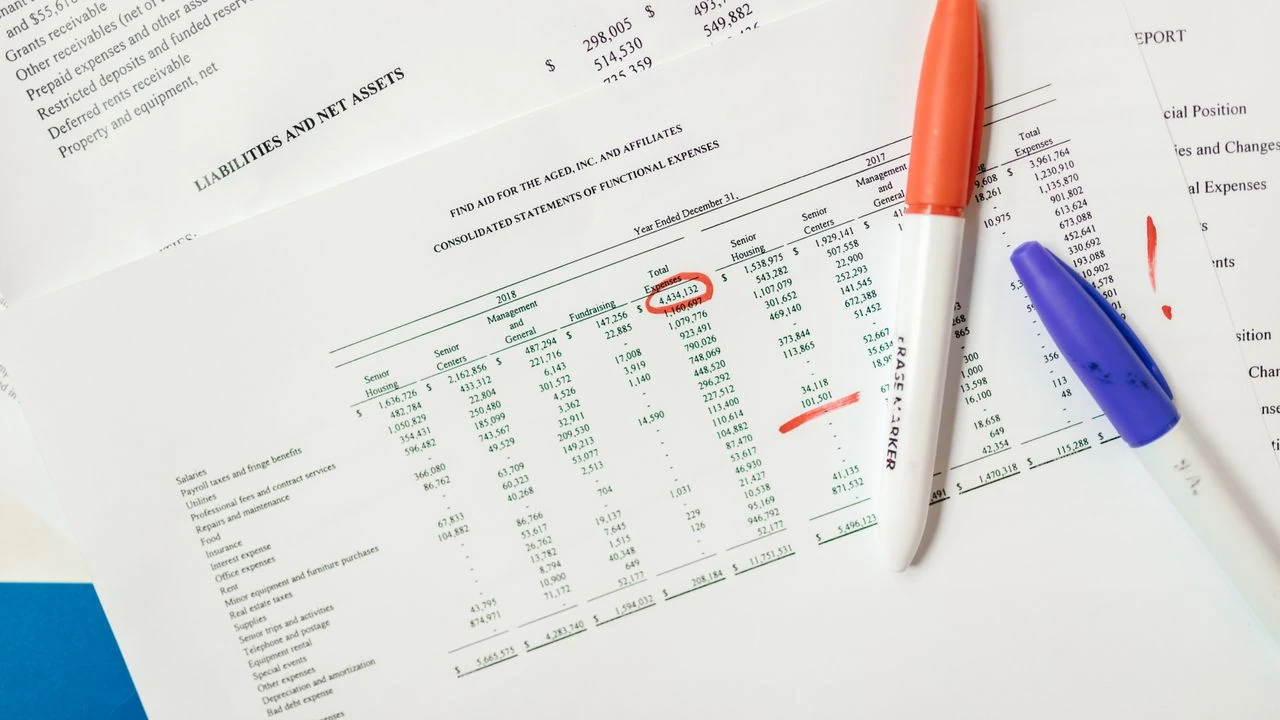
The 1099-B arrived from the transfer agent in late February, and untangling it took an evening and a phone call to Rosa, the patient accountant who has handled my returns since 2016. Most of my lots had cleared the one-year mark, so most of the gain landed as long-term capital gains tax at the 15% rate, while two December 2024 reinvestment lots fell eleven days short and got taxed at my income bracket instead. Rosa stayed on hold with the agent's service line for twenty minutes to confirm the codes. The federal bill came to $339. State took another $96. All of it for a sale I never placed, on a gain I never triggered, from a vote I never cast.
where the money went next
The wire landed November 3, three weeks after closing, and I sat with it for a month before touching it, which felt irresponsible and turned out to be the smartest part of the whole affair. Some of it covered a furnace repair in December, $1,180, cuz furnaces do not care what the market is doing. The remaining $1,900 went into a total-market index fund in January, two chunks of $950, three weeks apart, cuz I wanted the purchase to feel as unremarkable as any other one. No timing. No thesis. A professional would have been embarrassed by how little reckoned went into it.
what I own now, and why
I still hold individual stocks, down to three names from six, and the drawer account closed for good in March when the final statement came and I moved the dregs to the same brokerage as my retirement money. One login now. One tax season. The index fund does the compounding, and nobody can buy it out from under me, cuz a fund holding four thousand companies cannot be acquired over a weekend by a logistics group from Cleveland. If a piece of my money gets sold without my permission again, it will be because I pressed the button myself.
1:40 in the afternoon, same table
Last Thursday, also around 1:40, also at the kitchen table, a different envelope arrived from a utility I own twelve shares of, describing a proposed merger with a shareholder vote set for May 21. This time the control number went straight onto the corkboard where I see it daily, and I read all fourteen pages before the coffee cooled, the same way it invariably cools. I voted that same afternoon, online, in four minutes. The $2,214 tuition from Ardent Freight snagged exactly one durable thing: the knowledge that silence reads as consent right up until the envelope from Cleveland shows up and the decision has already been made without you.